

News
News




Every year, millions of tons of plastic waste are generated worldwide. Since plastic burns easily, many people ask a simple question: why don't we just burn it?
While incineration can reduce waste volume, it also destroys valuable resources and presents environmental challenges. As countries move toward more sustainable waste management practices, alternative technologies like pyrolysis are receiving increasing attention.
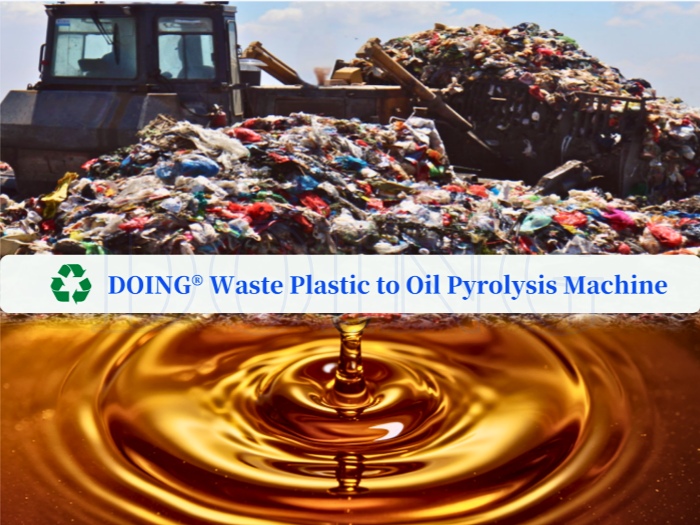 Environmentally friendly waste plastic to oil pyrolysis plant
Although burning plastic can quickly reduce waste volume, it has several significant disadvantages and bad impacts.
Plastics are primarily made from petroleum-based hydrocarbons. Direct incineration destroys these valuable materials instead of recovering them for reuse. It can also generate carbon dioxide and other pollutants, while increasingly strict environmental regulations make traditional incineration a less attractive long-term solution. The vast majority of countries—including China, EU member states, the United States, Japan, and Thailand—have enacted laws on air pollution prevention and control, waste management, or air quality regulations that comprehensively ban the open burning of plastic-containing waste in densely populated areas and most other regions.
Rather than simply disposing of plastic waste, modern recycling focuses on recovering valuable resources and reducing environmental impact.
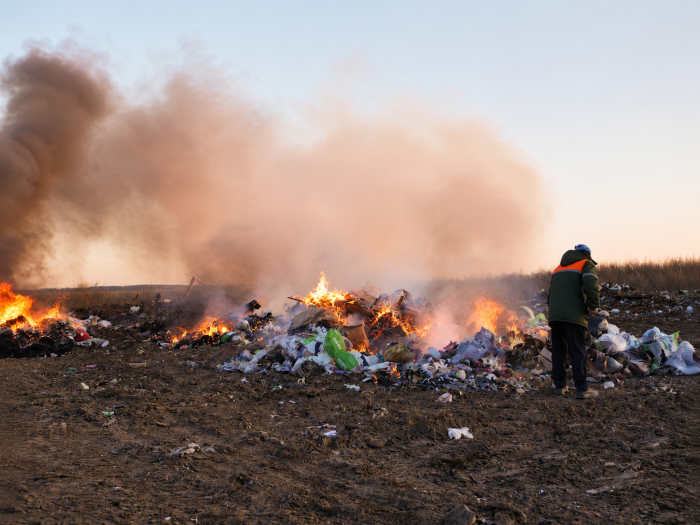 Impacts of burning waste plastics
Governments around the world are shifting from waste disposal to resource recovery.
A good example is the EU Packaging and Packaging Waste Regulation (PPWR), which recognizes chemical recycling, including pyrolysis, as part of the recycling framework through the mass balance approach. As recycled-content requirements become stricter, pyrolysis is expected to play an increasingly important role in helping companies meet future compliance goals.
Pyrolysis is a thermal decomposition process that occurs in an oxygen-free environment at temperatures typically between 400°C and 600°C. Unlike burning, the material does not combust. Instead, it breaks down into useful products through controlled heating.
Waste plastics are fed into a reactor and heated in an oxygen-free environment, producing oil vapor. After condensation, this vapor becomes pyrolysis oil, which can be used as industrial fuel or further refined into diesel-like fuel. The non-condensable gas (syngas) is typically reused to heat the reactor, reducing external energy consumption, while the remaining solid residue is collected as carbon black, which has applications in rubber manufacturing, inks, coatings, and as a fuel source.
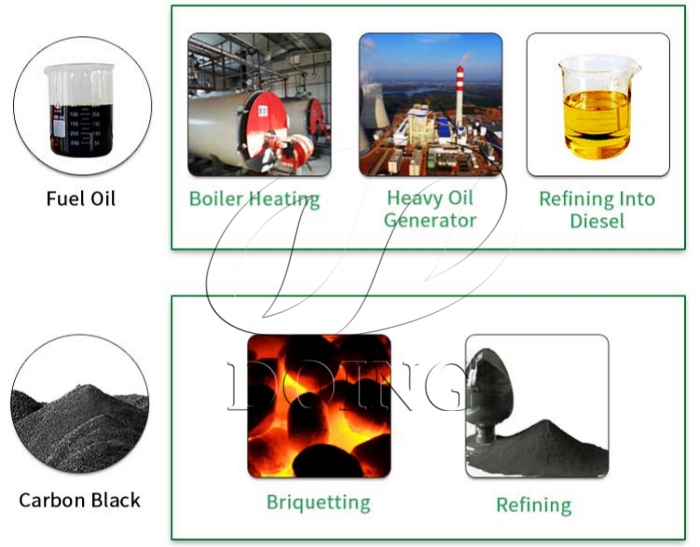 Different uses of plastic pyrolysis products
Unlike direct incineration, pyrolysis recovers the value of waste by producing reusable fuel and industrial materials. Modern pyrolysis plants are equipped with advanced waste gas and wastewater purification systems, including denitrification towers, desulfurization towers, pulse or wet electrostatic precipitators, and photo-oxidation combined with activated carbon treatment units. These systems effectively reduce emissions of sulfur oxides (SOx), nitrogen oxides (NOx), volatile organic compounds (VOCs), and particulate matter, ensuring that final exhaust gas emissions meet relevant environmental standards and making pyrolysis a cleaner and more sustainable solution for plastic and tire recycling.
With more than 15 years of manufacturing experience, Henan DOING provides customized pyrolysis solutions for waste plastic recycling management projects worldwide.
Our product range includes batch pyrolysis plants , semi-continuous pyrolysis plants, and fully continuous plastic pyrolysis plants with capacities ranging from 100 kg/day to over 50 tons/day.
Key features include:
PLC automatic control system for safe and convenient operation.
Optimized reactor design for stable oil yield.
Multi-stage exhaust gas purification system to help meet environmental standards.
Syngas recycling technology to reduce energy consumption.
Customized plant configurations based on feedstock characteristics, production capacity, and local environmental requirements.
Complete after-sales support, including installation, commissioning, operator training, and spare parts supply.
Whether you are a recycling company or an investor developing a waste-to-fuel project, Henan DOING can provide reliable equipment and complete turnkey solutions tailored to your specific requirements.
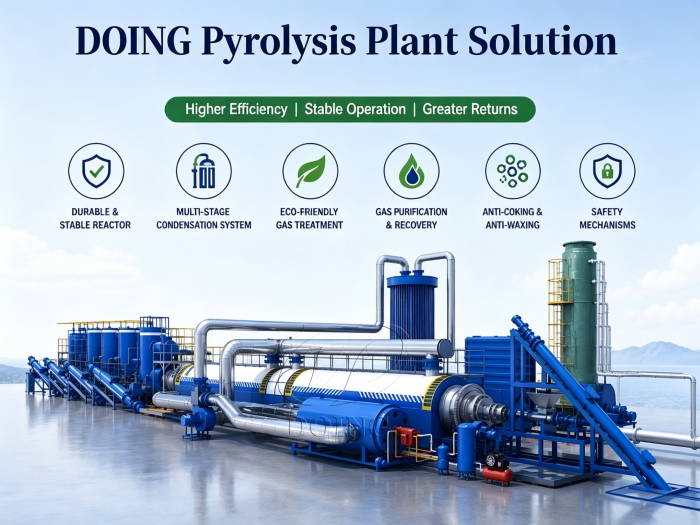 Advantages of DOING plastic pyrolysis equipment
Henan DOING has successfully supplied plastic and tire pyrolysis plants to customers across Asia, Africa, Europe, the Middle East, and other regions. Our international project experience enables us to provide practical solutions for different feedstocks, processing capacities, and local environmental requirements.
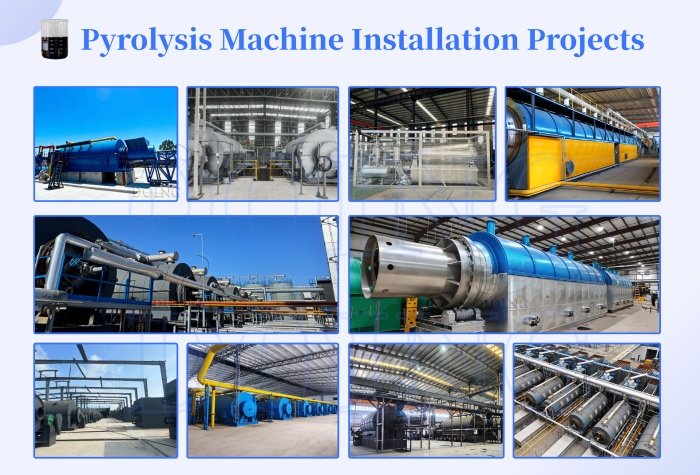 Installation cases of various plastic pyrolysis equipment models
Is pyrolysis the same as burning plastic?
No. Pyrolysis takes place in an oxygen-free environment through thermal decomposition, while burning is an oxidation process. The products and emissions are completely different.
Is the plastic pyrolysis plant environmentally friendly?
Modern plastic pyrolysis plants equipped with gas purification systems can effectively control emissions and help comply with local environmental regulations.
What plastic scrap materials can be processed?
Most common plastics such as PE, PP, PS, mixed plastic waste, scrap plastic agricultural film, woven bags,paper mill waste, medical plastic waste, etc. as well as waste tires and rubber materials, are suitable after proper pretreatment.
What pyrolysis products can be obtained?
The main products are pyrolysis oil, syngas, carbon black, and recycled steel wire from tire processing.
What services does Henan DOING provide?
We provide pyrolysis equipment manufacturing, installation, commissioning, operator training, spare parts supply, and long-term technical support.
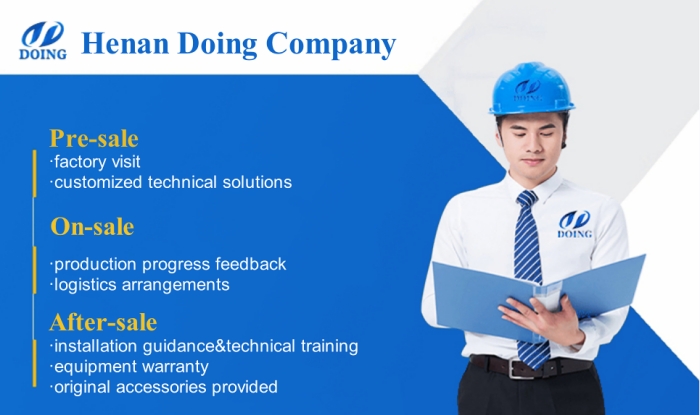 Services provided by Henan DOING Company
The waste plastic pyrolysis recycling market is one characterized by policy support, exponential growth in feedstock supplies, diverse product applications, and high profitability. Looking for a reliable and sustainable waste plastic management pyrolysis solution? Contact Henan DOING to discuss the right equipment configuration for your recycling project.


Contact DOING experts and learn how we can service your needs.