

News
News




In the pyrolysis industry, “capacity” is one of the most frequently misinterpreted specifications. When a customer sees “10-ton capacity” listed on a pyrolysis machine, it is natural to assume the reactor can hold 10 tons of feedstock in a single batch. Actually, rated capacity and batch input are not the same figure. But that assumption can lead to significant miscalculations in production planning, equipment sizing, and project economics.
A pyrolysis machine’s rated capacity refers to its daily processing throughput, which means the total amount of feedstock the system can thermally decompose over a full 24-hour cycle under standard operating conditions.
Using the 10 ton example: a 10 ton per day (TPD) pyrolysis machine does not mean loading 10 metric tons of shredded tyres into the reactor at once. It means that, once the system reaches steady-state operation, the cumulative output across multiple batches over 24 hours totals approximately 10 tons of processed material.
This distinction exists because pyrolysis is a batch or semi-continuous or continuous process. Each batch follows a sequence: loading, heating, cracking, condensing, discharging, and cleaning. The time required for each step — particularly heating and cooling — means that no single batch can process the full daily rated tonnage.
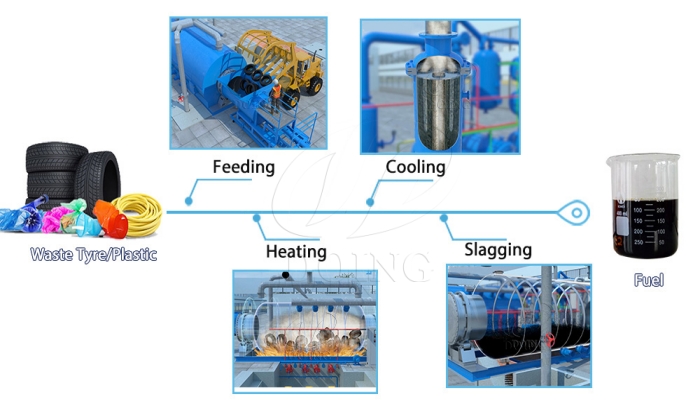
DOING pyrolysis machine working process
Reactor Volume vs. Usable Volume
The pyrolysis reactor’s physical volume may suggest a certain loading capacity, but effective working volume is always smaller. Headspace must be left to allow vapor expansion, maintain stable internal pressure, and prevent material carryover into the condensation system. In practice, most manufacturers recommend loading 70–85% of the pyrolysis reactor’s geometric volume, depending on material density and processing mode.
Feedstock Properties Directly Affect Cycle Time
Feedstock quality determines how quickly and completely pyrolysis can occur. Key variables include:
Moisture content: Wet feedstock consumes energy to evaporate water before pyrolysis begins, extending cycle time and reducing effective throughput.
Particle size: Oversized pieces heat unevenly, creating hot spots and incomplete cracking. Pre-shredded, uniformly sized material processes faster.
Bulk density: Denser materials pack more mass into the same volume but may require longer residence time to achieve full thermal conversion.
Contamination: Sand, metal, or other inert materials do not pyrolyze but absorb heat and occupy reactor space, lowering net throughput.
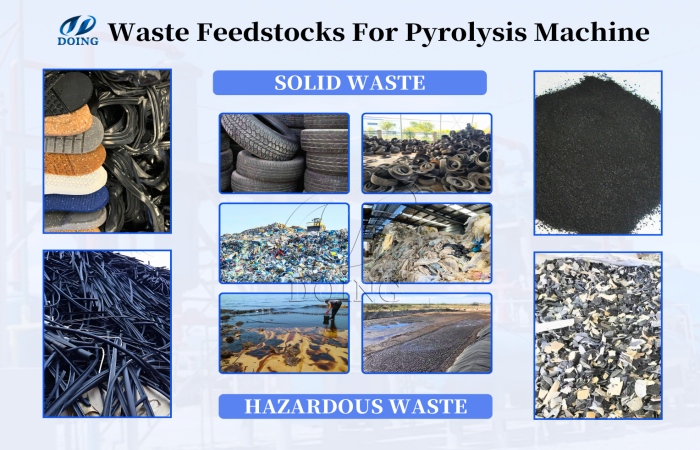
Waste feedstocks for DOING pyrolysis machine
A machine rated at 10 TPD under ideal feedstock conditions (low moisture, properly sized, consistent composition) may realistically process 6–7 TPD with variable input material.
Temperature, Heating Rate, and Thermal Balance
Higher operating temperatures accelerate the pyrolysis reaction, but they also increase energy consumption and accelerate wear on internal components such as the screw conveyor and reactor lining. Faster heating can shorten individual batch cycles, but excessive temperatures risk secondary cracking that produces more gas and less liquid oil — altering the expected product yield.
Thermal balance is critical: a pyrolysis system must not only heat the material but also manage the heat released during exothermic reactions. Balancing these factors across the full cycle determines how many batches can realistically run in 24 hours.
A practical way to understand pyrolysis machine capacity is through the cycle time formula:
Daily throughput = (Batch input, tons) × (Number of batches per 24 hours) × (Operating efficiency factor)
For example, if a reactor holds 3 tons per batch and one full cycle (load → heat → crack → cool → discharge) takes 12 hours, two batches can run in 24 hours. However, accounting for startup time, maintenance buffer, and cleaning intervals, the effective number of batches may drop to 1.5–1.8 per day — yielding closer to 4.5–5.4 tons of actual daily throughput rather than the nominal 6 tons.
Beyond the technical factors above, there are practical operational realities that affect whether you can hit rated capacity:
Feedstock preparation is not optional. Achieving rated throughput requires consistent feedstock preparation — shredding, drying, and magnetic separation. A machine that cannot be fed pre-processed material will consistently underperform its rating.
Cooling time is non-negotiable. Discharging a pyrolysis reactor before it cools sufficiently risks clumping, residue buildup, and long-term damage to the reactor walls. Rushing cooling to run more batches is a trade-off that erodes profitability over time.
Condensation system capacity sets a ceiling. Even if the pyroysis machine can thermally process a certain rate of material, the condensation system must be able to handle the vapor output. An undersized condensation train will force you to slow down the reaction, directly reducing throughput.
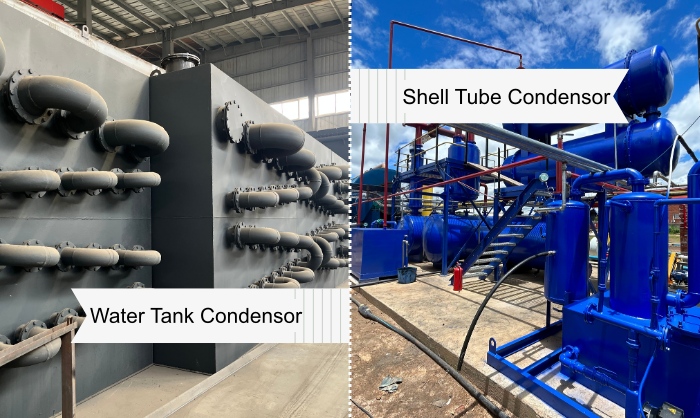
DOING pyrolysis machine two types of condensation system
Maintenance intervals reduce available operating hours. Pyrolysis machines require periodic cleaning and component replacement. Planned downtime must be factored into annual production estimates, not just 24-hour daily rates.
When comparing pyrolysis machine from different manufacturers, follow this checklist to avoid capacity misrepresentation:
Ask whether the quoted capacity is batch weight or daily throughput. A reputable manufacturer will make this distinction clear without prompting.
Request a processing parameter sheet that specifies feedstock type, size, and moisture content under which the rated capacity was tested.
Inquire about the cycle time per batch and the number of batches assumed in the daily throughput calculation.
Ask about the condensation system sizing and whether it is matched to the rated throughput.
Request data from existing pyrolysis machine installations — not just a brochure figure, but real operating reports from machines running similar feedstock.
Calculate an annual production estimate by applying a realistic availability factor (typically 80-85% after accounting for maintenance, cleaning, and feedstock changeovers) rather than treating daily rate as a 365-day constant.
As a pyrolysis plant manufacturer, our pyrolysis machines range in processing capacity from small-scale units handling 100 kg per day to large-scale systems processing 50 ton per day. And we specify capacity based on standardized testing conditions and make those conditions transparent to every buyer — because a rating only means something if you can actually reach it.
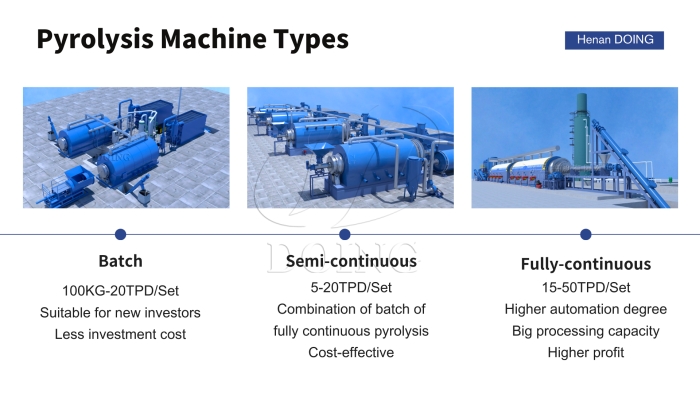
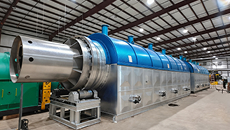
DOING 100kg/day-50ton/day pyrolysis machine types
To that end, we design our plants with real-world throughput in mind. Our reactors are engineered for uniform heat transfer and efficient thermal balance, so batch cycles run as specified rather than dragging due to uneven heating. For feedstock that varies in moisture or particle size, we offer integrated pre-treatment solutions — shredders, crushers, and dryers — to bring material within the parameters the system was rated under. Between batches, our rapid cooling and char discharge systems minimize turnaround time, keeping the number of cycles per day closer to the theoretical maximum. Throughout the process, automated control systems manage temperature, pressure, and material flow to maintain stable operating conditions and consistent conversion rates.
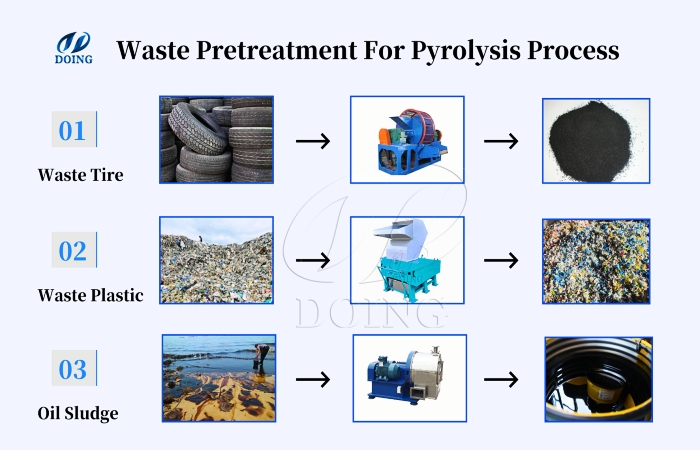
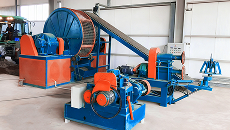
DOING pyrolysis machine waste pretreatment for pyrolysis process
We provide detailed processing parameters — feedstock specification, tested cycle time, expected yield rates, and realistic daily output ranges — so customers can build financially sound production models rather than working from a headline number that their operation may not sustain.
If you are evaluating pyrolysis equipment, we recommend starting with your feedstock analysis and working backward to the machine specification. That sequence produces better results than beginning with a capacity number and trying to fit your material to it.


Contact DOING experts and learn how we can service your needs.