


News
News






Recent shifts in the global geopolitical landscape have had a ripple effect on the international energy market. Within just one or two months, crude oil and refined fuel prices have risen (an average increase of $10-30 per barrel), posing a direct challenge to the global economy, particularly fuel-intensive industrial sectors. Faced with this uncertainty and rising operating costs, the need for businesses to seek stable, alternative energy solutions has never been more pressing.
 Global fuel price surge
1. Global Fuel Market Surge and Underlying Causes
The current surge in international fuel prices is not attributable to a single factor. Firstly, market uncertainties stemming from geopolitical tensions have introduced a significant risk premium into global supply chains, with potential disruptions to trade routes and energy infrastructure. Secondly, adjustments in supply strategies by major oil-producing nations, coupled with fluctuations in international crude oil inventories, are impacting the delicate balance of supply and demand. Furthermore, active market speculation and apprehension over potential future supply interruptions have exacerbated market anxieties, driving prices upwards.
Fuel Price Impacted Industries
This crude oil and refined fuel price volatility has a cascading effect across various sectors. Industries heavily reliant on fuel for operations are particularly vulnerable. These include:
Manufacturing: Especially heavy industries like cement, steel, chemicals, and textiles, which require substantial energy for production processes.
Logistics and Transportation: Companies involved in shipping, trucking, and aviation face direct impacts on their operating costs.
Agriculture: Fuel for farm machinery and transportation of produce sees direct cost increases.
Mining and Construction: Heavy equipment and machinery in these sectors are significant fuel consumers.
Power Generation: Businesses relying on diesel generators for primary or backup power experience higher fuel expenses.
 Fuel-intensive industries
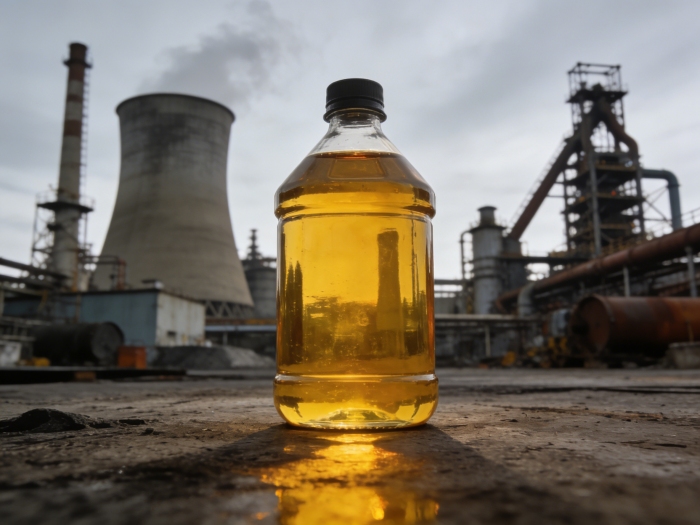
For these sectors, fuel costs constitute a substantial portion of their operational expenditure. Short-term, drastic fluctuations directly squeeze profit margins, destabilize production planning, and can even lead to increased product costs, thereby diminishing market competitiveness. This external volatility compels businesses to re-evaluate their energy strategies, seeking more resilient and self-sufficient solutions.
2. Seeking Fuel Alternatives: Saving Corporate Energy Cost
In the face of an unpredictable international fuel market, passively absorbing price volatility is not a sustainable long-term strategy. An increasing number of fuel-consuming industries are now turning to internal resource optimization and sustainable development, establishing their own energy facilities to ensure stable fuel supply and predictable costs.
Among these, "Waste-to-Fuel" Pyrolysis and Waste Oil Refining Technologies are emerging as highly attractive alternative solutions.
2.1 Establishing Pyrolysis Plants for Pyrolysis Oil Production
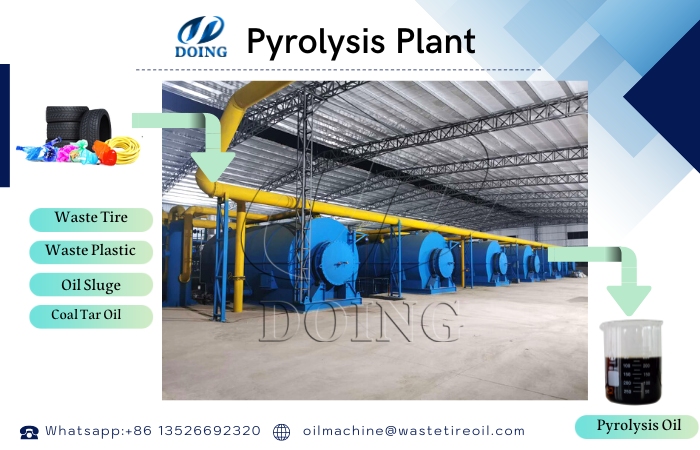 Alternative pyrolysis fuel oil production solution
Pyrolysis technology involves the thermal decomposition of organic waste materials (such as waste tires, plastics, oil sludge, biomass, etc.) in low-oxygen conditions. This waste to fuel pyrolysis machine working process yields pyrolysis oil, combustible gases, and char. Pyrolysis oil is a viable industrial fuel that can directly substitute heavy oil or diesel in boilers and industrial furnaces. By converting their own industrial waste into energy, enterprises not only achieve waste reduction and responsible disposal but also unlock a new fuel source. This greatly reduces reliance on external markets, promoting an internal circular economy for energy.
2.2 Setting up Waste Oil Refining Plants for Non-Standard Diesel
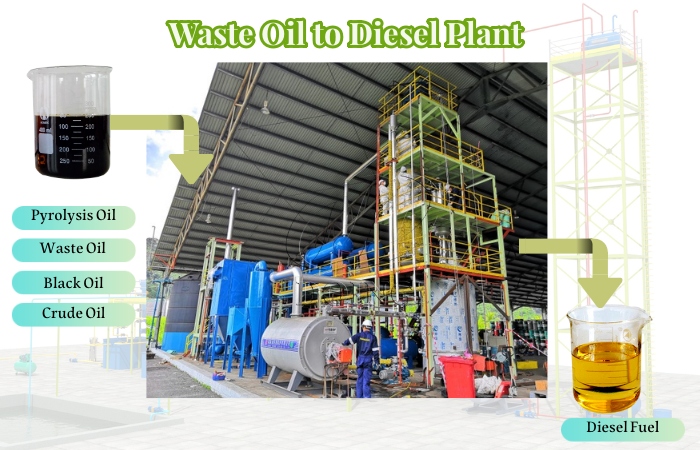 Waste oil to diesel regeneration solution
For businesses that recycle or generate substantial amounts of waste motor oil, old lubricants, used engine oils, mazut and other used black oils, establishing a waste oil refining plant can convert these into valuable non-standard diesel. This refining process effectively handles waste oil, preventing environmental pollution, and transforms discarded materials into usable fuel. It leads to reduced fuel procurement costs and enhances overall resource utilization efficiency. Non-standard diesel finds wide application in heavy machinery, agricultural equipment, diesel generator sets, trucks, ships, and other sectors, offering economic and environmental benefits to enterprises.
The current volatility in the international fuel market presents both challenges and opportunities for business transformation. If you are interested in exploring alternative fuel solutions, such as establishing pyrolysis plants or waste oil refining facilities to produce pyrolysis oil or non-standard diesel, please feel free to contact us. May the world enjoy peace and tranquility forever.


Contact DOING experts and learn how we can service your needs.