

FAQ
FAQ






Planning a 50–200 TPD waste tyre, plastic or oil sludge pyrolysis plant? DOING ECO's guide covers the standard equipment list, single-line vs parallel-line configuration, and reference projects with annual throughput.
What causes downtime in continuous pyrolysis plants? See how DOING ECO addresses feeding, coke and wax buildup, pressure, sealing, condensation and gas-handling problems.
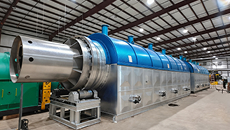
Fully continuous pyrolysis machine is the preferred choice for large-scale processing of waste tires, plastics, and oil sludge. It has four core advantages in processing efficiency, automation levels, energy consumption, and profitability.
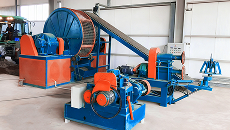
There are extensive customization options for DOING Group's pyrolysis production line, such as specific capacities, reactor materials, automation levels, environmental controls, and auxiliary systems to perfectly match your project needs.
Waste motor oil can be recycled into clean diesel using advanced systems like acid-base clay and solid catalytic distillation by DOING Holdings, offering environmental protection and economic benefits.
To deal with waste oil, a waste oil pyrolysis distillation machine is the best disposal method for its efficiency, environmental and economical benefits. DOING waste oil distillation machine provides comprehensive and efficient approaches to meet your nee
Get help or share your feedback—we're ready to listen and assist.


