
News
News




DOING ECO signed a sales contract in August 2026 with a Malaysianwaste management firm for one unit of the 10TPD batch oil sludgepyrolysis plant. The client operates in the demolition and wastemanagement sector for years, and is currently building its own wasterecycling facility.
| Item | Details |
| Project Name | Malaysia Oil Sludge Processing Line |
| Project Location | Malaysia |
| Signing Date | August 2026 |
| Equipment Ordered | DY-10 Batch Oil Sludge Pyrolysis Plant |
| Address pain points | Thick-walled uniform heating and continuous agitation keep sludge moving and hotspot-free, preventing wall coking and resolving the client's key concern. |
| Supplier | DOING ECO |
| Customer | Waste Management Company (Malaysia) |
| Business Purpose | Process oil sludge from pipeline dismantling contracts; establish in-house waste recycling capability |
The client acquired this oil sludge pyrolysis plant to support their pipeline decommissioning work for a local oil and gas firm. Pipeline decommissioning generates a consistent volume of oil sludge — a viscous mixture of oil residue, water, and solid particulates that cannot be disposed of through conventional waste channels.
Beyond handling its own generated waste, the client plans to accept oil sludge and similar petroleum-contaminated waste from external sources. This adds a commercial dimension to the investment: the equipment needs to be versatile enough to process varying feedstock quality while maintaining a consistent output.
During the equipment evaluation phase, the client spoke directly with other operators in the pyrolysis industry and gathered feedback on existing equipment in the market. A recurring issue surfaced repeatedly — coking, the buildup of carbonaceous deposits on the inner walls and heating surfaces of the pyrolysis reactor. When coking occurs, heat transfer efficiency drops, cycle times lengthen, and maintenance intervals shorten. The client's attention during the entire selection process focused heavily on understanding how any potential supplier addressed the coking problem in practice.
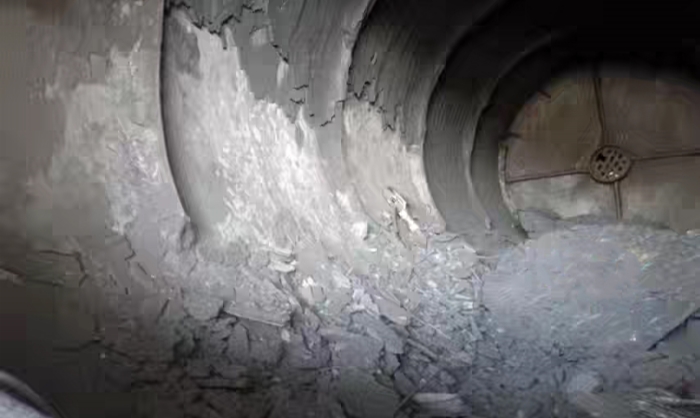
Coking phenomenon during the pyrolysis of oily sludge
The DOING 10TPD batch oil sludge pyrolysis plant is a thermal treatment system for processing petroleum-based sludges in discrete batch cycles of up to 10 metric tons per run. The system uses direct heating — the reactor is heated by burners that apply heat to the reactor body, achieving faster thermal response and higher heating efficiency compared to indirect heating configurations.
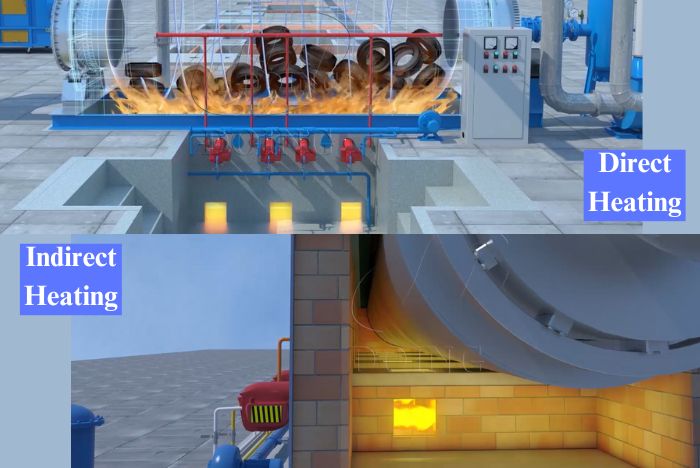
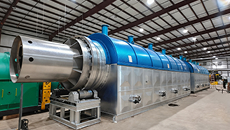
DOING pyrolysis plant heating methods
Key reactor design features that address coking concerns:
| Design Aspect | Purpose |
| Horizontal cylindrical reactor with optimized wall thickness | Even heat distribution, eliminates hot spots that trigger carbon buildup |
| Direct heating with optimized burner arrangement | High thermal efficiency |
| Built-in mechanical stirring system | Keeps material moving throughout the heating phase; prevents sludge from settling and forming a surface film on reactor walls |
The stirring mechanism deserves specific mention. During the pyrolysis cycle, oil sludge can form a semi-solid layer on reactor surfaces if left static. DOING's reactor includes a mechanical stirring system that keeps the material in continuous motion throughout the heating phase. This reduces the likelihood of carbon residue adhering to the walls and maintains thermal efficiency throughout the batch. For clients who process variable feedstock — different sludge compositions from different pipeline sources — this feature adds a practical layer of operational consistency.
The client visited DOING's manufacturing facility in February 2026. The visit included a walkthrough of the production line, observation of an active pyrolysis unit in operation, and a detailed technical session where the coking concern was addressed directly. The DOING team walked the client through the reactor design, the heating control logic, and the maintenance protocols that keep the stirring system and reactor internals in good condition over repeated cycles. The client asked specific questions about real-world performance — how often the reactor needs cleaning, what the typical cycle turnaround looks like, and what operational adjustments are needed when feedstock changes. These questions were answered with actual process data rather than general sales language.
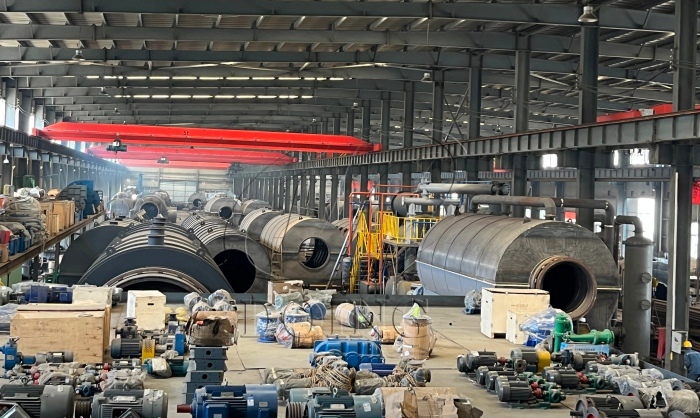
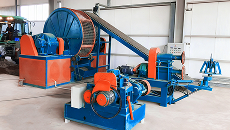
DOING oil sludge pyrolysis plant manufacture factory
The visit was the decisive moment. After returning to Malaysia, the client confirmed the order in August 2026, specifying the 10TPD batch model as the configuration that matched their project scale and business plan.
The 10TPD batch oil sludge pyrolysis plant contract was confirmed in August 2026. The equipment has entered DOING's production schedule and will be delivered to the client's facility in Malaysia according to the agreed timeline.


Contact DOING experts and learn how we can service your needs.